If you want everyday access to the water without giving up the convenience of a fast-growing North Texas suburb, Little Elm stands out for a reason. This is not just a place near the lake. It is a town that has built much of its identity around Lewisville Lake, public shoreline access, and an active outdoor lifestyle. If you are thinking about buying, selling, or simply exploring the area, here is what to know about homes and lake life in Little Elm. Let’s dive in.
Why Little Elm Feels Like a Lake Town
Little Elm’s identity is closely tied to Lewisville Lake. According to the town, more than 66 miles of its incorporated limits sit on the lake’s shoreline, which gives the community a strong waterfront presence that shapes both daily life and long-term planning.
Lewisville Lake itself is a major Denton County reservoir on the Elm Fork of the Trinity River. It spans 29,592 acres at conservation pool and includes 187 miles of shoreline, which helps explain why Little Elm feels connected to the water in a very visible, practical way.
What makes this different from many suburban communities is that the lake lifestyle is not limited to a small pocket of private homes. In Little Elm, much of the waterfront story is about public recreation, trails, parks, marinas, and a lakefront district that brings people to the shoreline regularly.
What Lake Life Looks Like Day to Day
In Little Elm, lake life is less about the idea of the water and more about actually using it. The town’s amenities make it easier to spend time outdoors, whether that means a quick walk by the shoreline, an afternoon on the sand, or a boating day on the lake.
For many residents and visitors, Little Elm Beach is the centerpiece. The town promotes it as the largest swim beach in North Texas, and the area includes an enclosed swimming area with no boat traffic, 12 sand volleyball courts, picnic areas, playgrounds, camping, restrooms, an amphitheater, and nearby kayak and paddleboard rentals.
That setup matters if you are looking for a community where the lake feels accessible. It creates a more shared, public lake experience rather than one centered only on private docks or gated access.
Trails and Parks Add to the Lifestyle
The lake experience in Little Elm also extends beyond the shoreline. The Lakefront Trail offers about four miles of crushed granite trail connecting the lakefront area to McCord Park, which adds another layer of everyday outdoor use.
McCord Park is a 38-acre community park with more than a mile of hike-and-bike trail, a disc golf course, a fishing pond, a splash pad, a dog park, and connections into the broader trail system. Cottonwood Park adds more shoreline access, along with trails, picnic areas, and fishing spots.
For many buyers, this is a big part of the appeal. You are not just choosing a house. You are choosing a routine that may include morning walks, easy park access, and flexible outdoor recreation close to home.
Boating and Water Access
If you enjoy getting on the water, Little Elm offers several ways to do that. The area includes the Little Elm Park boat ramp, Cottonwood Creek Marina, and additional water-focused attractions promoted by the town, such as DFW Surf, Hydrous Wake Park, and Nautical Boat Club.
That means you do not need to own a private waterfront home to enjoy boating or lake access. Public launch options and marina services help support a more practical, inclusive version of lake living.
There is also a year-round water amenity in The Cove at The Lakefront, an indoor waterpark that adds another recreational option beyond the lake itself. Together, these amenities help make the area feel active in every season.
Little Elm Housing: More Than Waterfront Homes
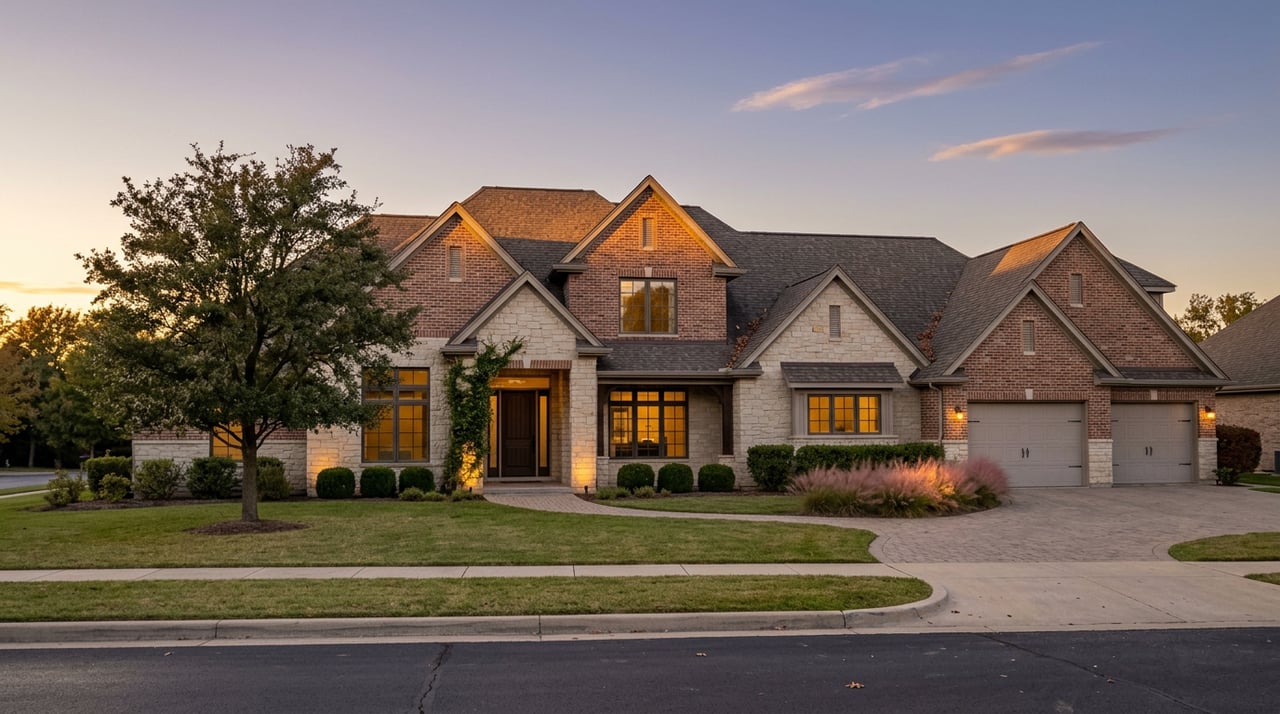
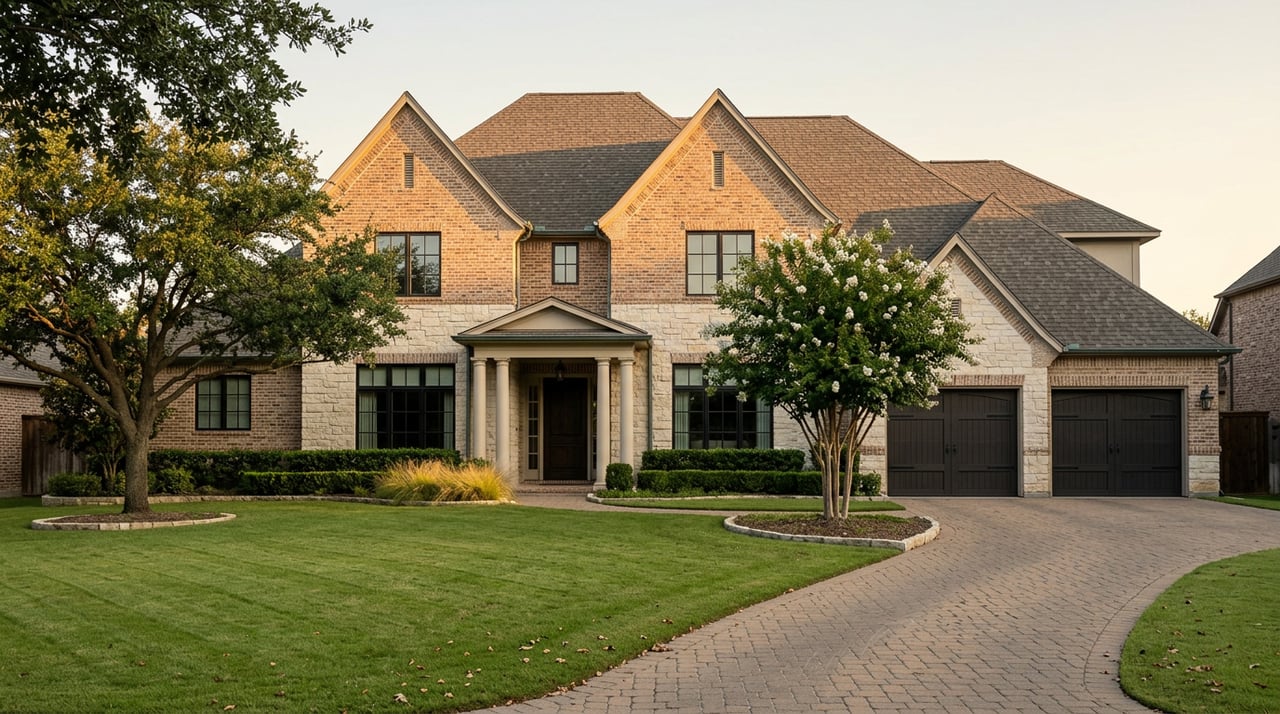
One of the most important things to understand about Little Elm is that it offers a range of housing types. While the lake gets the attention, the town’s planning documents show a broader residential mix that includes everything from traditional single-family neighborhoods to townhomes, duplexes, apartments, and condominiums.
The largest planned housing category in the town’s comprehensive plan is low-density residential, accounting for about 39.3% of future land use. Smaller shares are allocated to estate residential, ranchette residential, medium-density homes, and high-density housing.
That tells you something useful right away. Little Elm is not a resort market made up only of specialty lake properties. It is a growing suburban housing market with a strong owner-occupied base and a wide mix of living options.
According to Census QuickFacts, Little Elm’s estimated population reached 62,727 in July 2025, up 36.2% from the April 2020 estimate base. The owner-occupied housing rate is 70.1%, the median owner-occupied home value is $420,700, and median gross rent is $1,953.
What Types of Homes You May Find
Depending on where you search, you may find several different home styles and settings in Little Elm:
- Traditional single-family homes in suburban neighborhoods
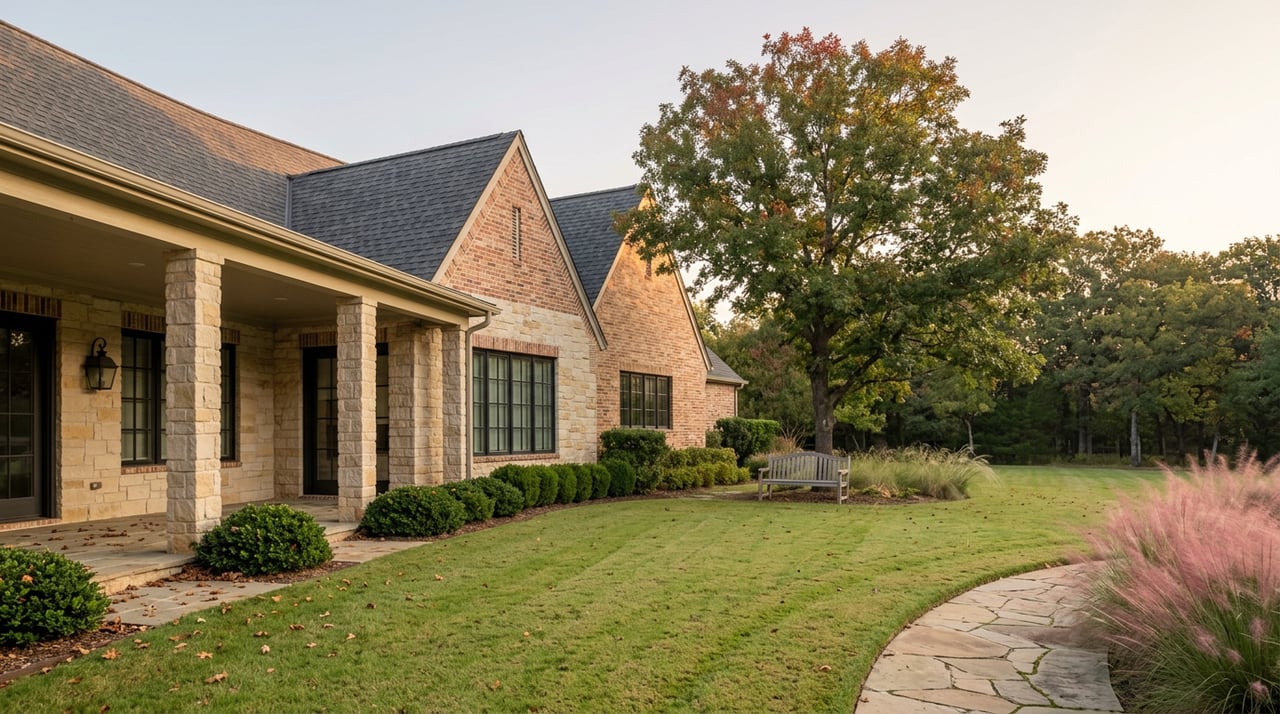
- Larger homes on bigger lots in estate or ranchette-style areas
- Townhomes, duplexes, apartments, and condos in smaller portions of the market
- Older lake-area homes that may reflect earlier cabin or rental origins
- Move-up housing opportunities in areas planned for continued redevelopment
This range gives buyers more flexibility than they might expect from a town with such a strong waterfront identity. It also creates opportunities for sellers who want to position their property around both lifestyle and housing practicality.
The Lakefront Does Not Mean the Same Thing Everywhere
A common mistake is assuming that a lake town automatically means rows of private waterfront homes with docks and unobstructed views. In Little Elm, that is not the most accurate picture.
The town’s comprehensive plan shows that 22.5% of future land use is Lake Lewisville and another 14.4% is floodplain or Corps properties. In simple terms, a large share of the shoreline is expected to remain water, open space, recreation-oriented land, or otherwise outside the pattern of conventional residential building.
That is part of what gives Little Elm its public-access character. It helps preserve a shoreline experience built around parks, trails, open views, and community amenities rather than a continuous wall of private lots.
The Lakefront District Has a Different Role
The Lakefront District is planned as a mixed-use area with civic, park, cultural, retail, and residential uses. The town describes it as a pedestrian-oriented district that supports both public access to the lake and a destination-style mix of amenities.
For buyers, this can mean a lifestyle that includes walkable access to recreation, dining, and events near the waterfront. For sellers, it means the surrounding location story may be just as important as the house itself.
This is especially true in lake-adjacent areas where the appeal comes from proximity to the district, beach, marina, or trails, not just from direct frontage. In Little Elm, being close to the action can matter as much as being directly on the water.
What This Means for Buyers
If you are considering a move to Little Elm, it helps to define what “lake life” means to you before you start touring homes. For some buyers, it means easy boat access. For others, it means trails, beach days, or a neighborhood near the lakefront district.
A few practical questions can help narrow your search:
- Do you want to be near the beach, parks, and trail system?
- Is marina or boat ramp access important to your routine?
- Are you looking for a larger move-up home, a standard suburban layout, or a lower-maintenance option?
- Do you want lake proximity for lifestyle reasons, even if the home is not waterfront?
- Would you prefer an established area or one with signs of future redevelopment?
Because Little Elm includes both established housing and areas likely to evolve, your ideal fit may depend on how you balance lifestyle, lot size, home age, and access to amenities. A focused search can save you time and help you avoid chasing the wrong version of “lake living.”
What This Means for Sellers
If you own a home in Little Elm, your marketing strategy should reflect how buyers actually experience the area. In many cases, the strongest selling point is not simply that your home is “near the lake.” It is how that location connects to the lifestyle buyers want.
That may include proximity to Little Elm Beach, the Lakefront Trail, McCord Park, Cottonwood Park, marina access, or the broader Lakefront District. Clear, well-positioned marketing can help buyers understand the practical value of the setting.
This is where presentation matters. In a market shaped by both suburban growth and destination-style amenities, homes often benefit from polished visuals, strong storytelling, and a pricing strategy that reflects not just square footage but how the property fits into the local lifestyle.
Why Little Elm Appeals to So Many Buyers
Little Elm offers a blend that can be hard to find. It combines a meaningful public lake lifestyle with a suburban housing market that supports long-term homeownership.
That balance helps explain its growth. The area offers recreation that feels easy to use, housing options across several price points and property types, and a setting where the lake is part of everyday life instead of just a backdrop.
For some people, that means weekend paddleboarding and beach access. For others, it means a larger home with convenient access to trails, parks, and the waterfront district. Either way, the appeal is often broader and more practical than buyers first expect.
If you are exploring Little Elm, the best move is to look at both the home and the pattern of life around it. In a lake-centered town like this, the surrounding experience can shape your day-to-day value just as much as the property itself.
If you are weighing a move to Little Elm or preparing to position a home for sale, working with an advisor who can connect lifestyle, presentation, and market strategy can make the process much clearer. To start that conversation, connect with Brian Abadie.
FAQs
What makes Little Elm different from other North Texas suburbs?
- Little Elm is strongly shaped by Lewisville Lake, with public beach access, trails, parks, marina options, and a lakefront district that make the water part of daily life.
What types of homes are available in Little Elm?
- The town’s planning framework includes single-family homes on a range of lot sizes, plus smaller shares of townhomes, duplexes, apartments, and condominiums.
Can you enjoy Little Elm lake life without owning a waterfront home?
- Yes. Public amenities like Little Elm Beach, the boat ramp, marina access, shoreline parks, and trails make the lake lifestyle accessible even if your home is not directly on the water.
What is Little Elm Beach like for everyday recreation?
- Little Elm Beach includes an enclosed swim area with no boat traffic, sand volleyball courts, picnic areas, playgrounds, camping, restrooms, and nearby paddle sport rentals.
Is Little Elm mostly a vacation-home market or a primary-home market?
- Available housing and census data point more toward a growing, owner-occupied suburban market than a primarily resort or short-term vacation-home market.
What should buyers know about lakefront homes in Little Elm?
- Not all lake-adjacent homes have private docks or uninterrupted views, and much of the shoreline is planned to remain water, open space, recreation land, floodplain, or Corps property.