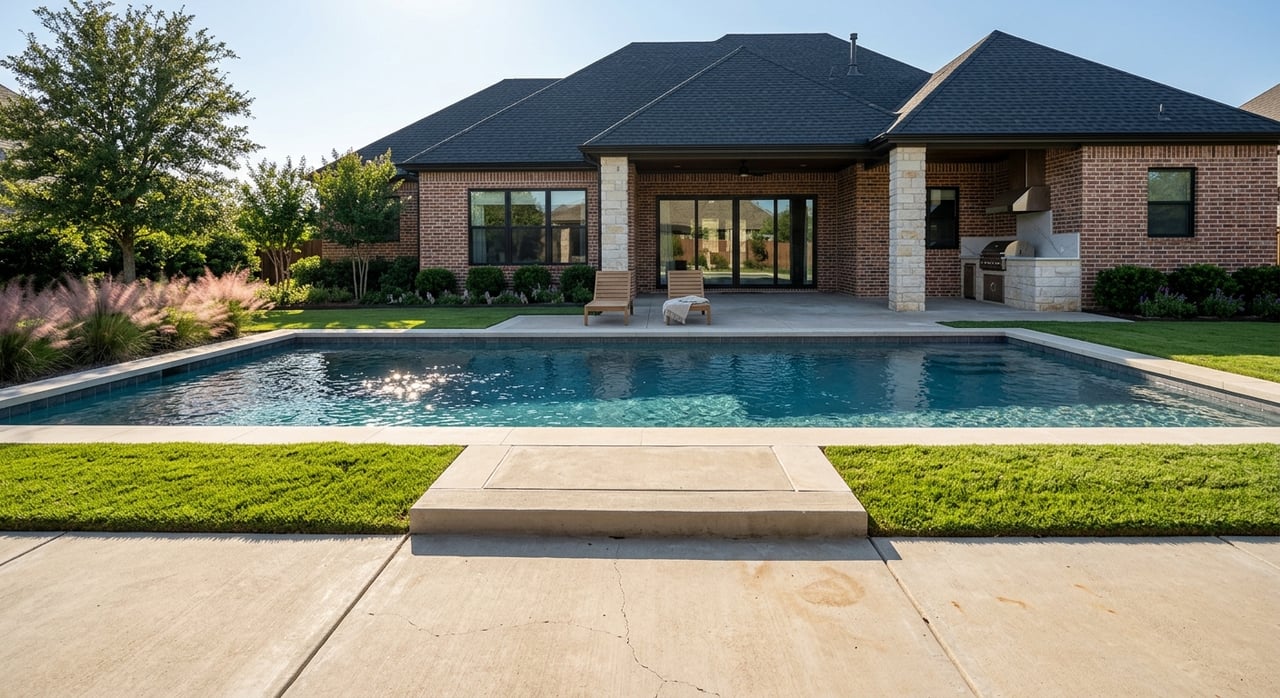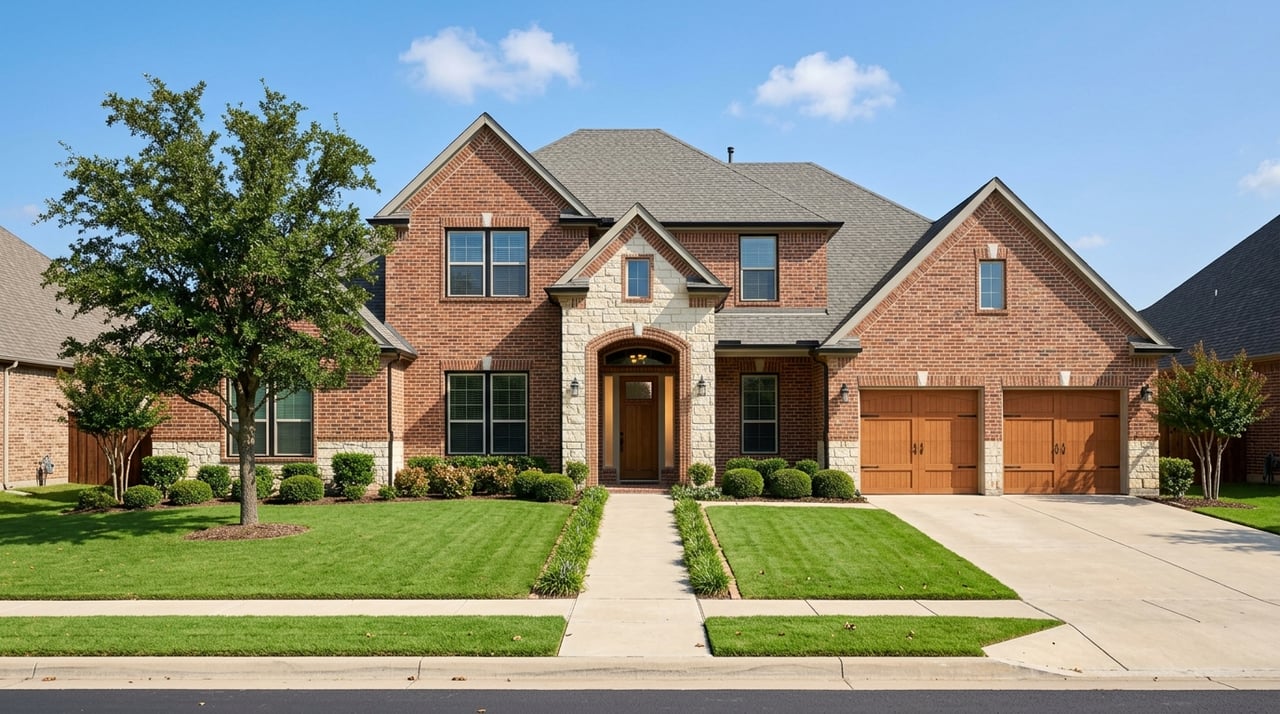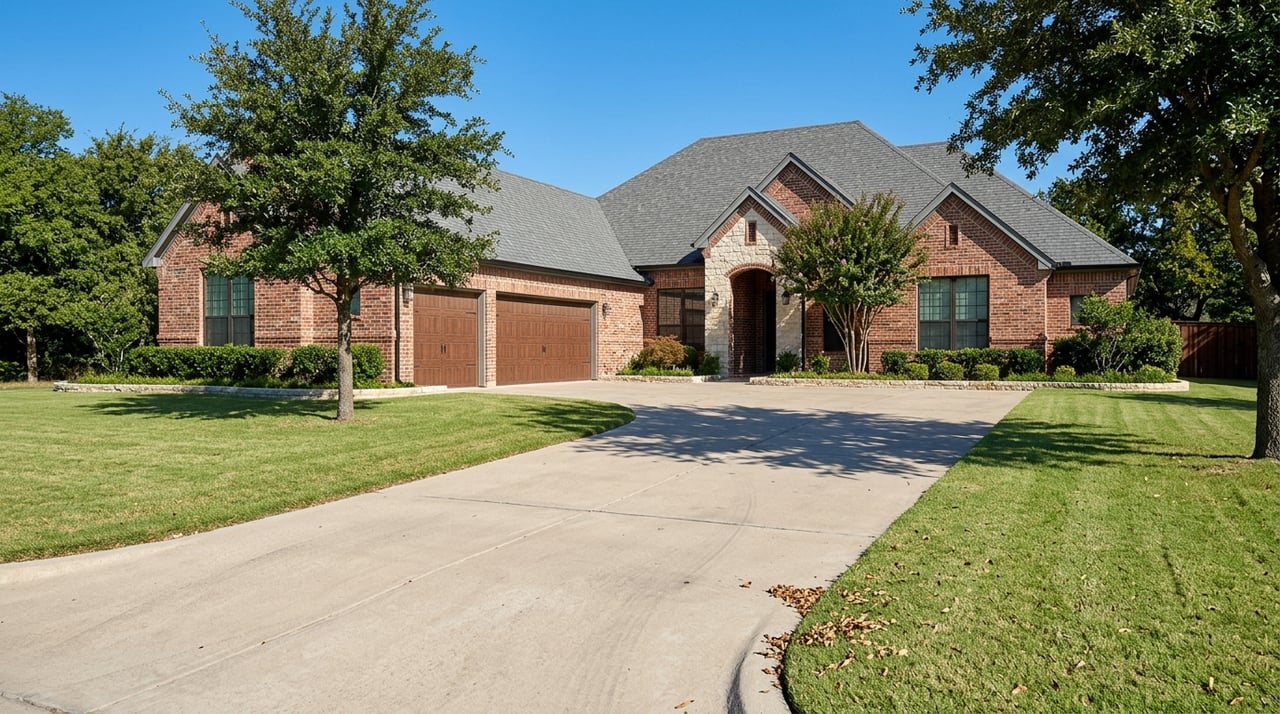
Wondering whether that beautiful one-acre listing in Celina is truly the right fit for your goals? In this market, buying acreage or an estate lot is not the same as buying a standard suburban homesite. You need to understand how zoning, utilities, road plans, and private restrictions can shape what you can do with the property and what it may cost to own over time. If you want a clearer, calmer way to evaluate land in Celina, this guide will walk you through the big issues that matter most. Let’s dive in.
Why Celina acreage stands apart
Celina is growing quickly, but it still holds a strong rural-agricultural land pattern that makes acreage purchases unique. The U.S. Census Bureau estimates Celina’s population at 64,427 as of July 1, 2025, up sharply from 16,739 in the 2020 census. At the same time, the city’s planning materials note that Celina has 78 square miles of developable land and is working to balance growth with its agricultural heritage.
That mix matters when you shop for land. Celina is not just a subdivision market with uniform lots and predictable utility setups. It is a transition market where rural tracts, one-acre estate lots, and newer planned communities can exist within the same general area.
For many buyers, that is exactly the appeal. You may be looking for more space, a broader setback, room for an accessory structure, or a different lifestyle than a typical neighborhood lot can offer. In Celina, those opportunities exist, but they require more careful review before you buy.
What qualifies as an estate lot
Celina has a formal zoning path for estate-style homesites. The city’s SF-E Single-Family Estate district is intended for detached homes on lots of at least one acre, with a minimum lot width of 100 feet and an average depth of 200 feet.
That zoning framework helps explain why some buyers view these properties as a lifestyle purchase, not just a housing purchase. The district also allows an accessory dwelling unit and livestock enclosures. Still, allowances can vary by parcel, especially if the property sits in a Planned Development district with customized standards.
This is one reason two properties that look similar online can function very differently in real life. One may support the flexibility you want, while another may be shaped by district rules, private documents, or infrastructure limits.
Start with jurisdiction first
Before you fall in love with a tract, confirm where it sits from a jurisdiction standpoint. In Celina, whether a parcel is inside city limits, inside the ETJ, or outside both can affect zoning, platting, utilities, and septic oversight.
The city’s planning staff reviews plats, site plans, and zoning applications throughout the city and ETJ. Celina’s subdivision ordinance also applies in the ETJ, which means land just outside city limits may still be subject to city subdivision standards.
At the same time, Celina notes that zoning does not apply in the ETJ, and unregulated land uses can emerge outside city limits. For you as a buyer, that means the surrounding area may evolve differently depending on annexation, adjacent ownership, and future land planning.
A simple takeaway: do not assume a property is more flexible just because it feels rural. The exact location on the map can change the rules in meaningful ways.
Utilities can change the whole deal
With acreage and estate lots, utility questions should move to the top of your list. In-city development generally requires proposed lots to connect to a public water system and approved wastewater collection and treatment.
However, Celina’s subdivision ordinance states that lots larger than one acre may, at the Director of Engineering’s discretion, use private well water and authorized private septic systems. That can create more options on some parcels, but it also adds another layer of due diligence.
The city says it purchases treated water from the Upper Trinity Regional Water District and performs daily sampling. It also notes that Celina adopted private well-drilling guidelines to help reduce contamination risk.
Outside city limits, Collin County requires an OSSF septic permit through the county process. County guidance also states that the county serves as the plat reviewer when lots do not have access to collective sewer and must rely on septic systems.
In practical terms, you want clear answers to these questions early:
- Is public water available?
- Is public sewer available?
- If not, can the parcel support well and septic use?
- Which authority will review permits and approvals?
- Are utility connections already in place, or will you need extensions?
Verify provider availability by address
Not every Celina acreage property has the same utility providers. The city’s utility provider list shows that electric service may come from GCEC, CoServ, or Oncor. Water may be provided by the City of Celina or Marilee Special Water Utilities, while gas may be through Atmos Energy.
Internet and cable availability can also vary, with providers including AT&T, Suddenlink, or Speed of Light. If you work from home, stream heavily, or plan future improvements, this is worth confirming before closing.
A property’s look and setting may feel ideal, but provider access can affect convenience, monthly costs, and future building plans. This is one of those details that feels small at first and very important later.
Drainage and floodplain deserve early attention
Buyers often focus on lot size, views, and frontage first. On acreage, drainage may be just as important.
Celina’s subdivision ordinance says increased runoff from new development cannot negatively impact adjoining, upstream, or downstream properties. To address that, the city may require detention, retention, drainage easements, off-site drainage improvements, or phased development.
The city also encourages detention basins and compensatory flood storage areas. Collin County notes that if FEMA floodplain is present, a flood study may be required for developments of at least 5 acres or 50 lots.
That does not mean every tract has a major problem. It does mean you should review floodplain, culverts, easements, and drainage paths early, especially if you are considering improvements, outbuildings, or a custom home plan.
HOA, deed restrictions, and PID costs matter
Lot size alone does not tell you how free a property really is. In Celina, private restrictions and development structure can matter just as much as acreage.
The city uses Planned Development districts to customize standards for specific tracts. According to the city, each PD sets its own design guidelines and permitted uses, and some also require a property owners association and or a PID.
Celina’s PID page explains that PID assessments are collected annually and are separate from property taxes. That means your carrying costs may include more than principal, interest, taxes, and insurance.
Private deed restrictions are another major issue. Celina defines deed restrictions as limits that run with the land and bind present and future owners, but the city also states that it does not enforce those restrictions.
For you, that means the paperwork is not just paperwork. The title commitment, recorded covenants, HOA or POA documents, and PID or assessment documents can reveal whether you can add a shop, keep certain animals, build a guest space, or make exterior changes.
Planned developments can reshape expectations
A planned development can offer a polished setting and a more curated appearance, but it can also narrow your options. One estate property may feel highly private yet still sit within a framework of architectural standards, open-space obligations, and recurring assessments.
Another tract may offer a more independent setup with fewer private controls and possible well or septic flexibility. Neither is automatically better. It depends on how you want to live and what level of structure fits your goals.
This is where a parcel-by-parcel review matters most. Two listings with similar acreage can have very different use potential once the documents are fully reviewed.
Future roads can affect present value
When you buy acreage in Celina, you are not only buying what exists today. You are also buying into a growth path that may change access, traffic patterns, and nearby development over time.
Collin County describes the Outer Loop as a planned 53-mile transportation facility, and the county announced that Segment 3C opened on November 7, 2025, connecting the Dallas North Tollway to US 75. The NTTA also states that the DNT Phase 4 extension will run about 13.7 miles north of US 380, with Phase 4A extending from US 380 to FM 428 and work continuing through 2026, with opening targeted by the end of 2027.
The City of Celina is also actively upgrading key local corridors. Current city project pages show work involving County Road 52/Celina Parkway, FM 1461, FM 428, Preston Road, and Coit Road to improve drainage, safety, traffic flow, and long-term capacity.
That means a property that feels quiet and tucked away today may sit near a corridor already moving through a multi-year buildout cycle. For some buyers, that can support long-term value and improved access. For others, it may change the privacy or pace they originally expected.
Questions to ask before you buy
If you are evaluating acreage or estate lots in Celina, keep your due diligence focused on the issues that most often change the outcome.
Here is a practical checklist:
- Confirm whether the parcel is inside city limits, in the ETJ, or outside both.
- Verify whether public water and sewer are available.
- Ask whether well and septic use is allowed or feasible.
- Review deed restrictions, HOA or POA documents, and any PID assessments.
- Check for drainage, floodplain, culvert, and easement concerns.
- Ask about current and planned road projects and future right-of-way impacts.
- If you want barns, shops, guest quarters, or livestock uses, verify the zoning district and any PD-specific rules for that exact parcel.
Acreage purchases reward buyers who stay curious and patient. The right property can be a fantastic long-term fit, but the details behind the address matter just as much as the land itself.
A calmer way to buy land in Celina
Buying acreage and estate lots in Celina can be exciting because the options are so varied. You may find custom-home potential, more breathing room, and a lifestyle that feels harder to replicate in a standard neighborhood setting.
But this part of the market asks for a more careful process. Jurisdiction, utilities, drainage, private restrictions, and future corridor changes all play a meaningful role in how a property works today and how it may feel years from now.
If you want a thoughtful advisor to help you sort through those layers and identify the right fit in Celina, connect with Brian Abadie for a tailored, property-specific conversation.
FAQs
What should you check first when buying acreage in Celina?
- Confirm whether the property is inside Celina city limits, in the ETJ, or outside both, because that can affect zoning, platting, and septic oversight.
What utilities should you verify on a Celina estate lot?
- Check whether the lot has access to public water and sewer or whether it may rely on a private well and authorized septic system.
What does estate lot zoning mean in Celina?
- Celina’s SF-E Single-Family Estate district is intended for detached homes on lots of at least one acre, with specific minimum width and depth standards.
Why do deed restrictions matter on Celina acreage?
- Deed restrictions can limit how you use the land, and they may affect items like outbuildings, guest spaces, exterior changes, or other lifestyle features.
Are PID assessments the same as property taxes in Celina?
- No. The city says PID assessments are collected annually and are separate from property taxes.
Why should you ask about roads before buying land in Celina?
- Planned projects involving the Outer Loop, Dallas North Tollway extension, and local corridor upgrades can affect access, traffic flow, and the long-term feel of an area.