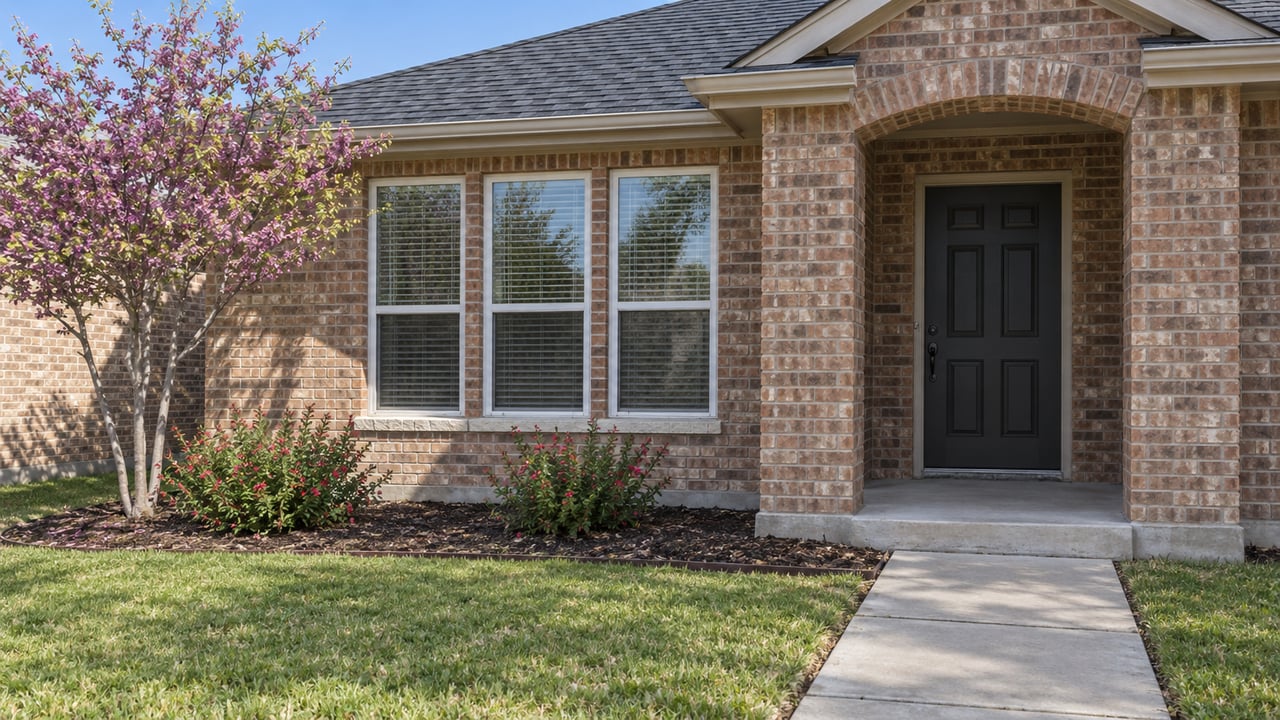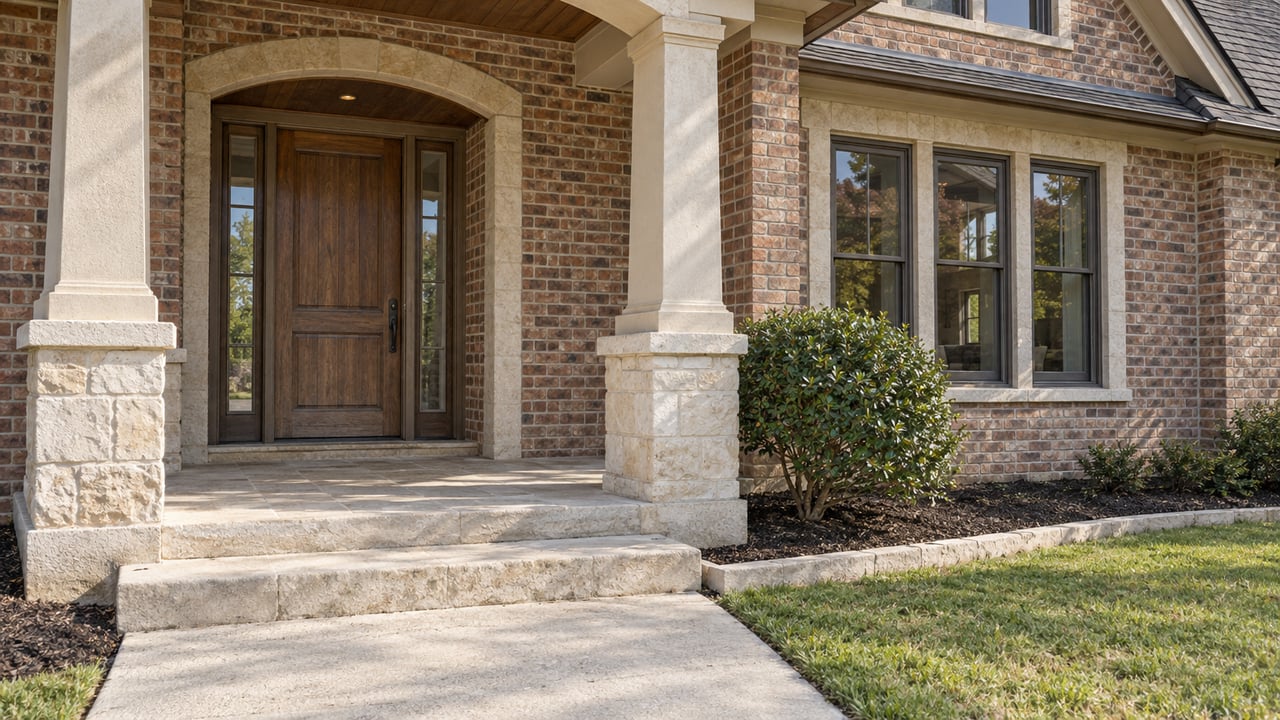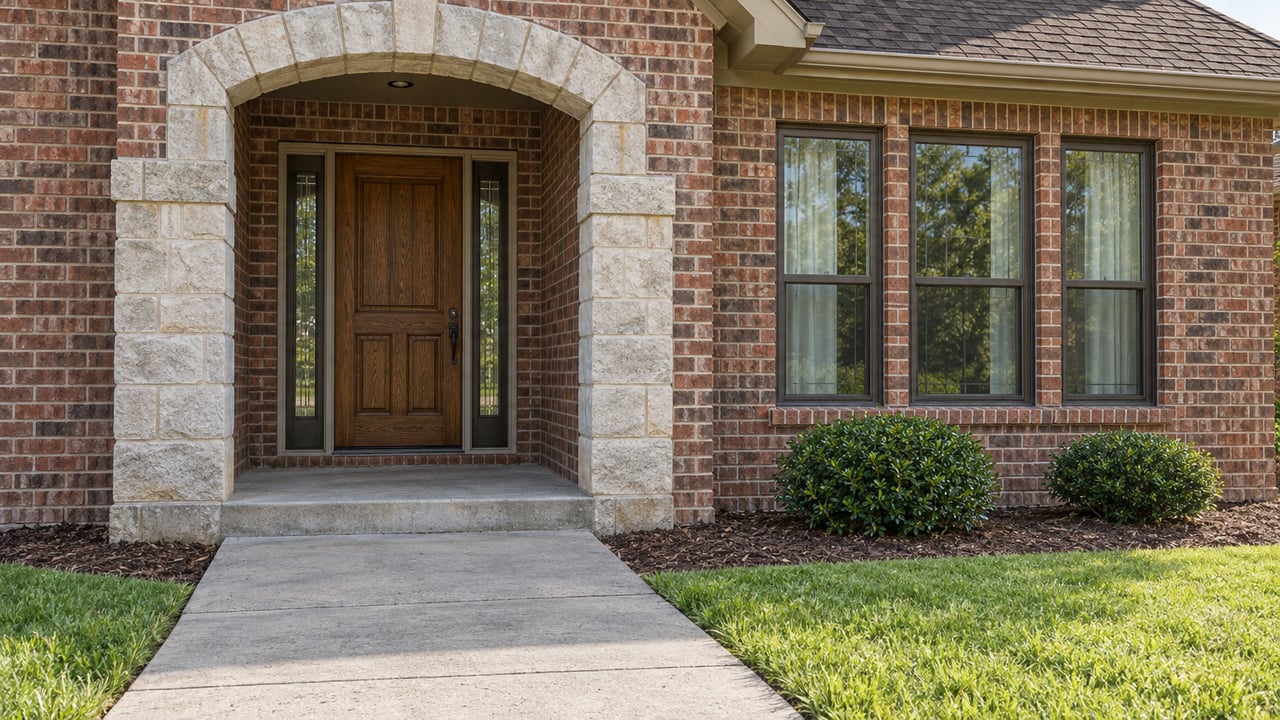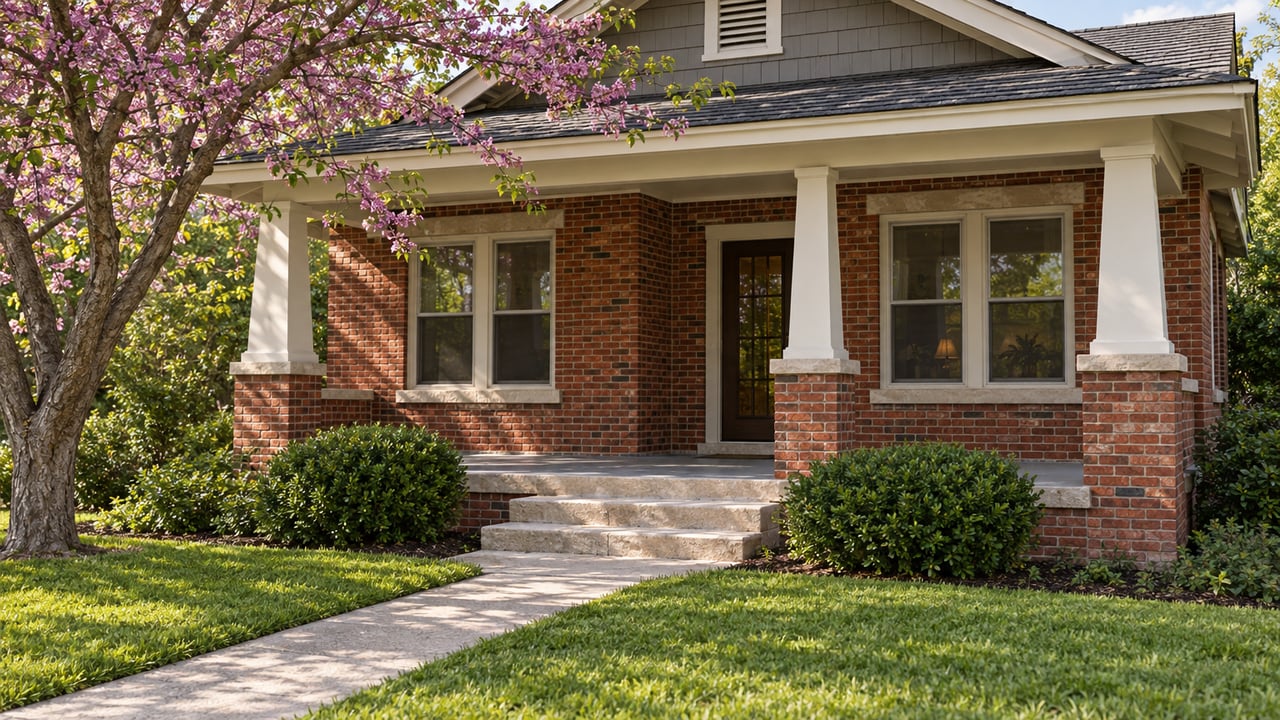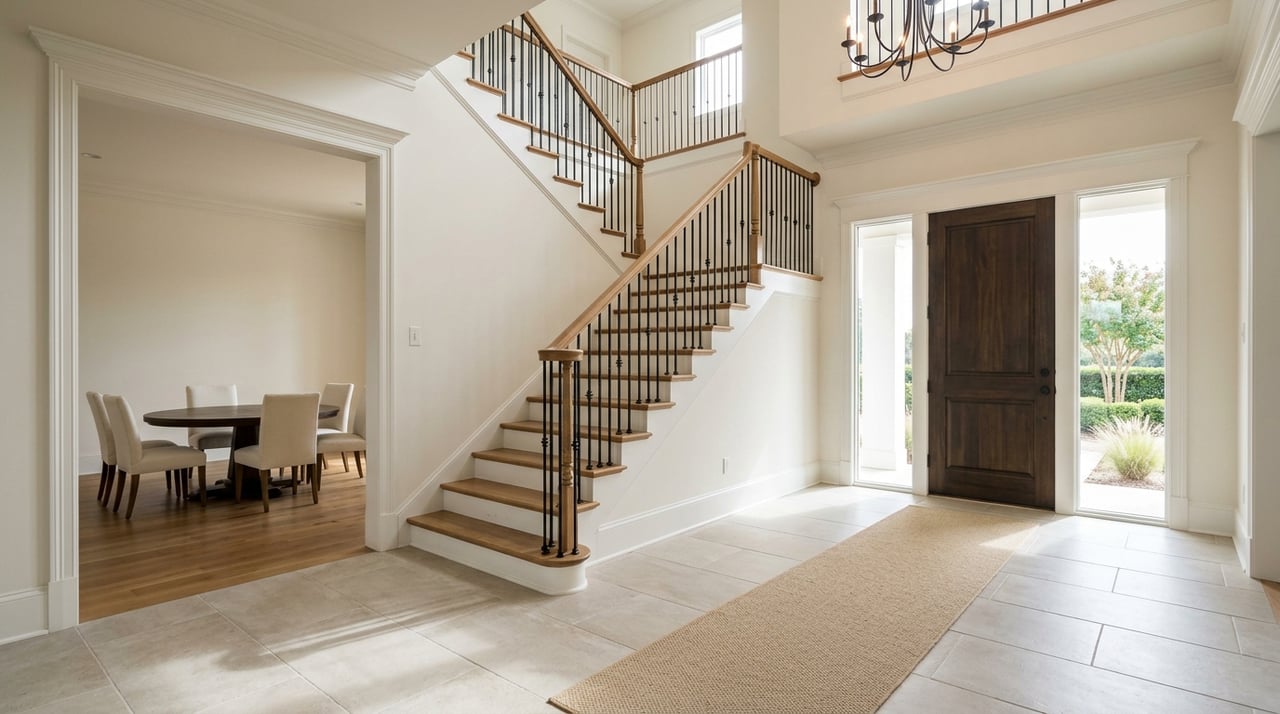
Thinking about trading density for breathing room in North Texas? If you are relocating and want a home with more land, more privacy, and a more tailored feel, McKinney deserves a close look. This guide will help you understand what “estate home” usually means here, how daily life works, and what to verify before you buy so you can move with more confidence. Let’s dive in.
What estate living means in McKinney
In McKinney, estate-style housing usually means a larger lot and a more site-specific home, not just a bigger house. The city’s land use framework describes Estate Residential as roughly 1/2-acre to 2-acre lots, and the zoning code includes 1-acre and 2-acre residential estate districts. If you want space without going fully rural, this is often the sweet spot.
That distinction matters when you start your search. Estate living in McKinney is different from true acreage living, where lots are typically larger than 2 acres. If your goal is a large homesite with neighborhood structure and easier access to city conveniences, estate neighborhoods may fit better than a rural property.
You will also notice that estate housing here tends to be neighborhood-specific. Instead of rows of standardized production homes, many buyers are choosing custom or semi-custom properties on larger lots. That often creates a more varied streetscape and a more tailored feel from one home to the next.
Why McKinney attracts estate buyers
McKinney has grown well beyond its small-town past. The city reports a January 1, 2026 population of 237,130, a median household income of $120,273, and a bachelor’s-degree rate of 52.6%. For many relocating buyers, that points to a well-established, professional-heavy suburb with the services and housing depth to support a higher-end move.
The local housing market also supports estate-level shopping. McKinney’s 2026 housing needs report says the sales market now mainly sits above $400,000, with 35% of sold homes in the $500,000 to $749,000 range and 13% above $750,000. In other words, larger and more premium housing is not a niche here.
That does not mean every part of McKinney feels the same. Your experience can change a lot based on the exact community, lot shape, access route, and setting. For estate buyers, the best fit usually comes down to the specific property and its surroundings, not just the city name.
Estate neighborhoods feel cohesive, not cookie-cutter
One of the appealing parts of McKinney estate living is that many higher-end communities feel consistent without feeling repetitive. Community design standards often guide exterior changes and help maintain a polished look. At the same time, subdivision guidelines in places like Stonebridge Ranch are designed to avoid a look-alike effect.
That balance can be useful if you want visual consistency but still care about individuality. You may see a mix of architectural styles and elevations rather than a single uniform look. Current luxury listings in McKinney also reflect that variety, with styles described in different ways, including Tuscan-style and Mediterranean-inspired estate homes.
If you are relocating from out of area, this is worth keeping in mind during your search. Two homes with similar square footage can offer very different experiences depending on lot placement, builder approach, and community standards. That is especially true in design-controlled neighborhoods where exterior modifications may require multiple layers of approval.
Lot size and land shape matter
Large lots are a major reason buyers consider McKinney estate homes, but size is only part of the picture. The city’s land use plan notes that estate areas often follow natural features such as creeks, floodplains, and tree stands. Those features can add privacy and visual appeal, but they can also affect how the lot functions.
Before you fall in love with a backyard, it helps to understand the site itself. A lot’s slope, drainage pattern, tree placement, and buildable area can influence future plans for a pool, guest structure, outdoor kitchen, or expanded patio. Retaining walls and setback constraints can also become part of the equation.
For relocating buyers, this is one of the biggest reasons to go beyond photos. Estate homes are not just about interior finishes. The land is part of the value, and the details of that land can shape both daily enjoyment and future costs.
Daily life in McKinney is car-centered
If you are moving from a more walkable city, be ready for a car-first routine. McKinney reports that 90% of residents travel to work by driving alone, and 98% of households have at least one vehicle. The city also reports that 86% of working residents were out-commuters in 2020.
That commute pattern tells you a lot about how the city works day to day. McKinney is practical for many Dallas-area professionals, but your route matters. The top commute destinations reported by the city were Dallas at 20%, Plano at 17%, and Frisco at 7%.
Regional access is anchored by major corridors. US 75 is the city’s primary north-south route and provides direct access toward downtown Dallas, while State Highway 121 connects west toward Frisco, The Colony, Lewisville, and DFW Airport. When you compare homes, it is smart to weigh the property itself against how efficiently you can move through those corridors.
What that means for your home search
If you expect regular trips to Plano, Frisco, Dallas, or the airport, commute geography should be part of your buying criteria. A beautiful estate home on paper may feel less practical if the drive pattern does not match your work or travel routine. Looking at the map early can save frustration later.
Public transit options are limited for most households. McKinney’s transit service is a subsidized on-demand shared ride program for eligible seniors, people with disabilities, and low-income residents. For most relocating estate buyers, everyday mobility will depend on personal vehicles.
Amenities are strong for suburban living
Estate buyers often want space without giving up convenience, and McKinney checks that box well. Historic Downtown McKinney includes more than 120 unique shops and over two dozen restaurants, giving you a clear town center for dining, errands, and casual outings. That blend of suburban scale and established amenities is part of the city’s appeal.
Outdoor access is another plus. McKinney maintains nearly 3,000 acres of parks and open space along with 80 miles of hike-and-bike trails. If you want room at home and options to get outside beyond your own property, that is a meaningful quality-of-life advantage.
Healthcare access is also nearby. Medical City McKinney is located on Medical Center Drive, and Baylor Scott & White Medical Center – McKinney describes itself as a full-service, fully accredited not-for-profit hospital serving McKinney and surrounding communities. For many relocating households, proximity to medical services is an important part of evaluating long-term fit.
What to verify before you buy
Relocating buyers often need to make decisions quickly, which makes due diligence even more important. In McKinney, estate-home research should include the exact lot, the exact community rules, and the exact address details. Broad assumptions can easily miss something that matters.
Start with school zoning if that is relevant to your move. McKinney ISD publishes attendance-zone and feeder-pattern maps, and boundaries can vary across the city. That means you should verify zoning by address rather than relying on a neighborhood label.
Next, review lot-level information. McKinney’s GIS tools provide planning and zoning maps, and Collin CAD allows users to pull subdivision plats through its interactive map and county records search. These tools can help you confirm lot lines, subdivision layout, and context before you travel or make an offer.
Then look at future project plans. The city notes that items such as pools, fences, retaining walls, accessory structures, and detached patio covers or shade arbors often require permits. In some communities, an HOA review process may also apply, and HOA approval does not replace city approval.
A simple relocation checklist
Before you commit to a McKinney estate home, try to confirm these items:
- Exact lot size and shape
- Subdivision plat and property boundaries
- Zoning and land-use context
- School attendance zone by address
- HOA or village modification rules
- Permit needs for pools, fences, walls, or accessory structures
- Drive patterns to your most common destinations
- Natural site features such as creeks, trees, drainage paths, or floodplain areas
How a local advisor can simplify the move
Out-of-area buyers usually do not need more listings. They need fewer unknowns. In McKinney, that often means narrowing the search based on lot size, site conditions, commute corridor, neighborhood rules, and address-specific details before you ever step into the car or get on a plane.
That kind of planning matters because the information is spread across multiple sources. You may need city GIS tools, county plat records, permit information, and association documents to form a clear picture of one property. For estate homes, the difference between a good fit and a frustrating one often lives in those details.
A calm, consultative approach can make the process much easier. When your search is organized around your actual lifestyle, design preferences, and daily routine, you can spend more time comparing the right homes and less time sorting through mismatched options.
If you are relocating to McKinney and want a more strategic way to evaluate estate homes, Brian Abadie offers a boutique, design-aware approach that helps you focus on fit, function, and the details that matter before you buy.
FAQs
How large are estate lots in McKinney?
- In McKinney, estate-style lots are typically about 1/2 acre to 2 acres, and the zoning code specifically includes 1-acre and 2-acre residential estate districts.
Is McKinney practical for a Dallas-area commute?
- Yes, many residents commute to Dallas, Plano, and Frisco, but route choice matters because McKinney is highly car-dependent and most commuters drive alone.
Do you need a car to live in McKinney?
- In most cases, yes, because McKinney is a car-first suburb and public transit options are limited for the general population.
What should relocating buyers verify before buying an estate home in McKinney?
- You should verify the exact address details, lot shape and boundaries, school zoning, HOA rules, permit requirements, commute routes, and any natural site features that may affect usability.
Are McKinney estate homes usually custom homes?
- Many estate buyers in McKinney are choosing custom or semi-custom homes on large lots rather than standardized production homes, although the mix depends on the specific community.
Can HOA approval replace city approval for home changes in McKinney?
- No, in communities with HOA review, association approval does not replace any city permits or approvals that may also be required.