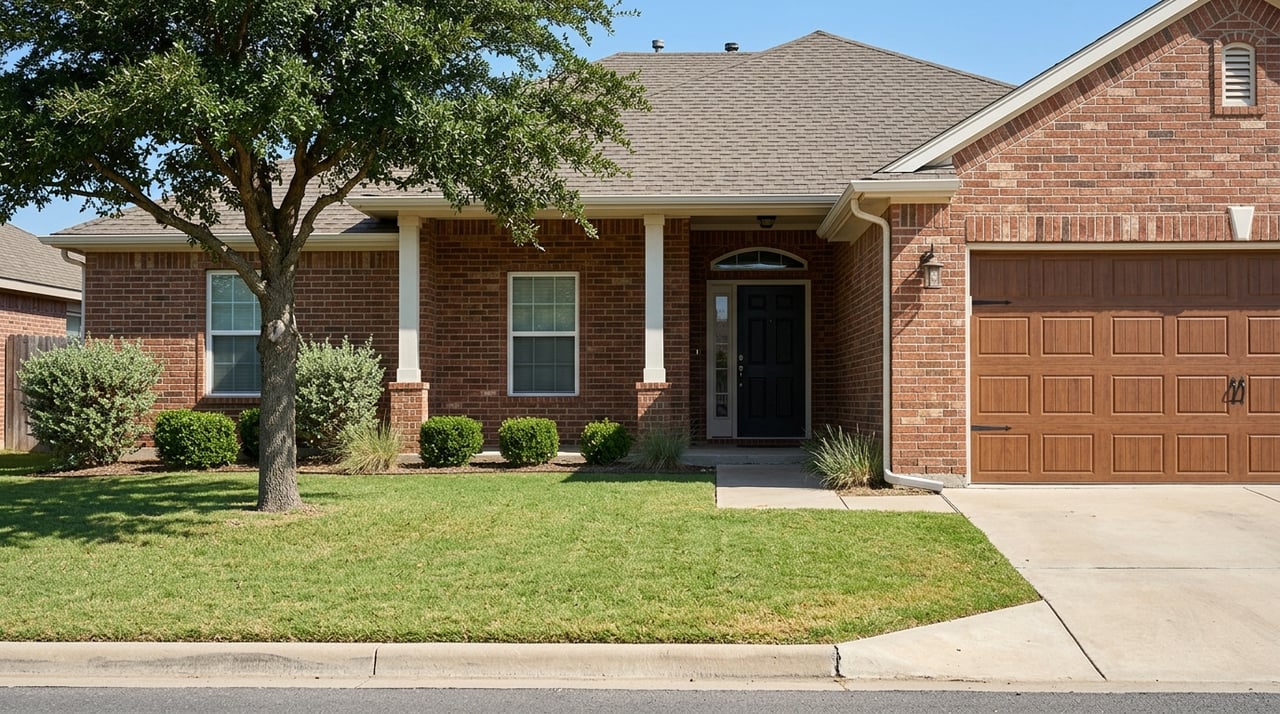
If you are looking for upside in Anna real estate, the opportunity is usually not about finding the flashiest house on the block. It is about spotting a property with practical improvement potential, staying disciplined on scope, and making sure the finished home still fits the local market. In a fast-growing city with steady owner-occupant demand and ongoing new construction, that balance matters. Let’s dive in.
Why Anna draws value-add buyers
Anna has been growing quickly, and that growth shapes how you should look at renovation opportunities. According to the U.S. Census QuickFacts for Anna, the city reached an estimated 31,986 residents in July 2024, up 87.3% from the 2020 census count of 16,896.
That same local profile shows a 78.5% owner-occupied rate, a median owner-occupied home value of $351,700, median household income of $105,593, and 3.14 persons per household. Anna’s long-term planning also points to single-family detached homes remaining the dominant housing type, which is important if you are evaluating resale appeal in neighborhoods built around that format.
For you, this means the most promising value-add opportunities are often homes that can be made more usable, more polished, and more competitive for everyday buyers. The goal is not to force a one-off luxury product into a price point the area does not support. The goal is to improve the home in a way that feels natural for Anna.
Read Anna market conditions carefully
Before you underwrite any project, it helps to stay grounded in current resale conditions. Redfin’s Anna housing market data reported a February 2026 median sale price of $332,990, median days on market of 91, a 98.1% sale-to-list ratio, and 41.2% of homes with price drops.
Those numbers suggest a softer resale environment than many investors want to assume. In plain terms, buyers may have options, homes may take time to sell, and price discipline matters. If you are planning improvements, your value story needs to be supported by nearby comparable sales rather than an optimistic guess.
There is another factor to keep in mind. The City of Anna says it is a pro-growth community and expects new home construction to keep increasing as subdivisions finish. That can put a ceiling on how far a renovated resale can stretch, especially if buyers can compare your finished product to nearby newer inventory.
Focus on the most practical upgrades
In Anna, the safest value-add opportunities tend to come from updates that improve how a home looks and functions without pushing it far outside neighborhood expectations. That usually means choosing projects with broad appeal over highly customized design choices.
Cosmetic updates often offer the cleanest path
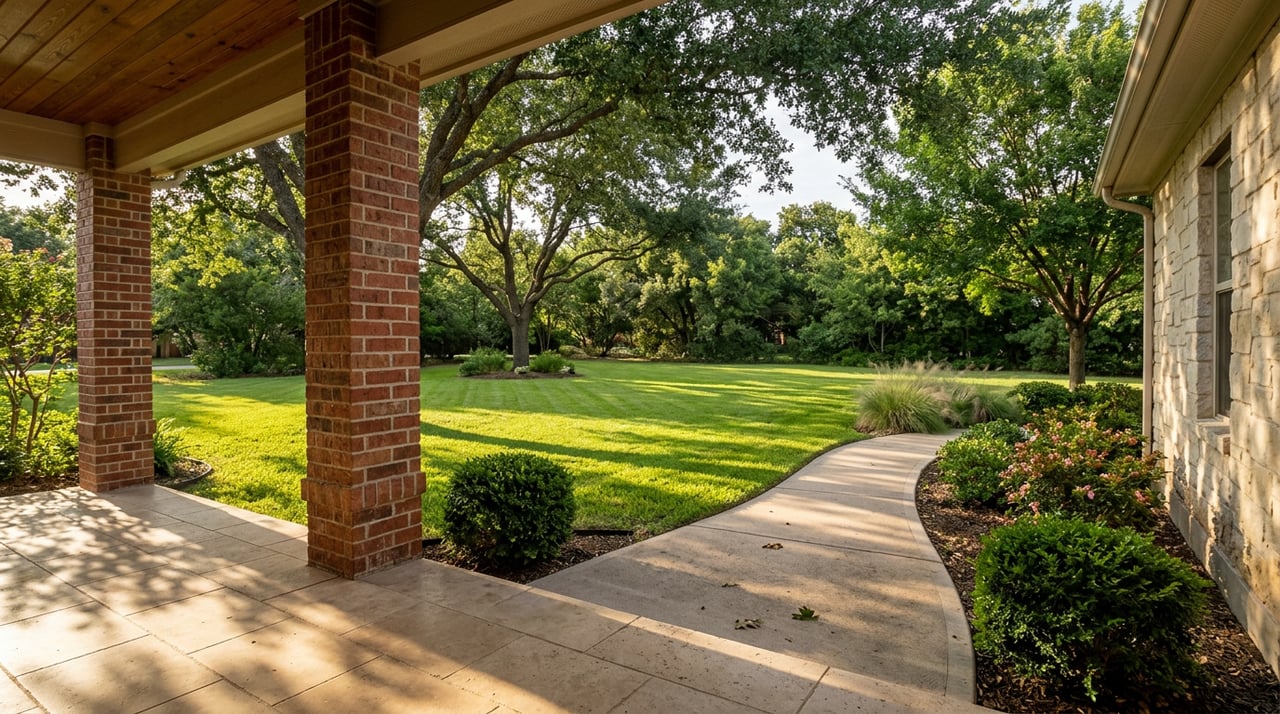
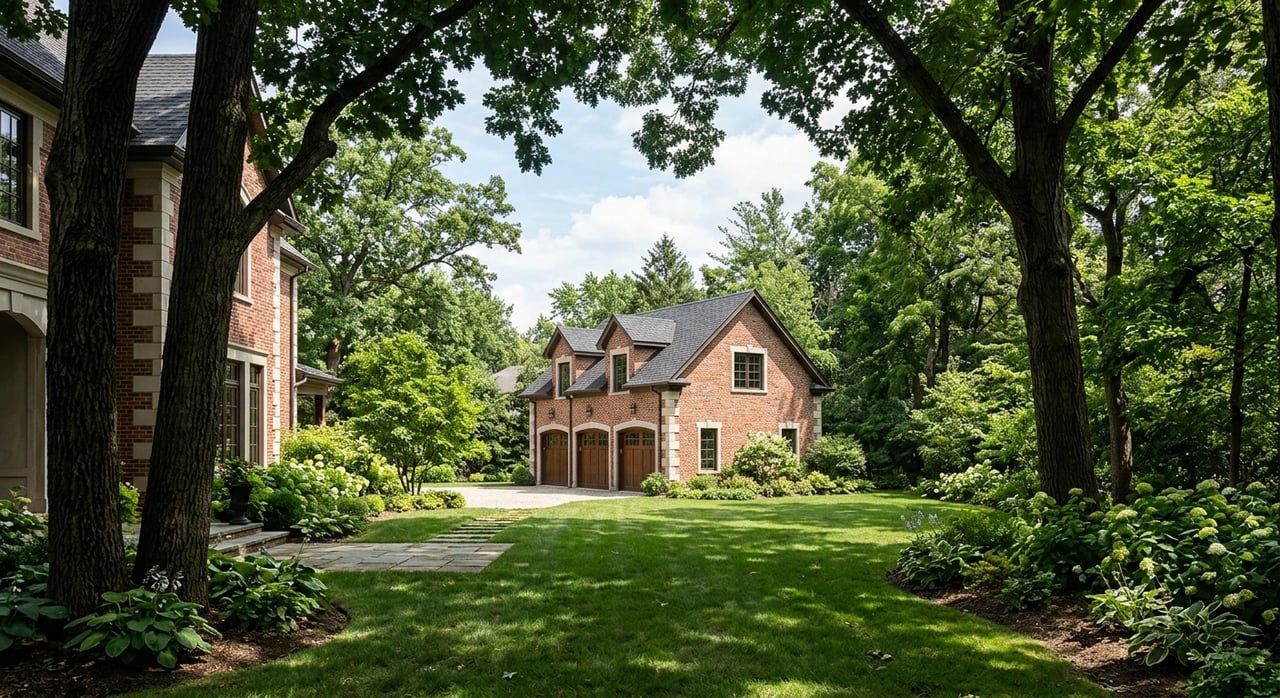
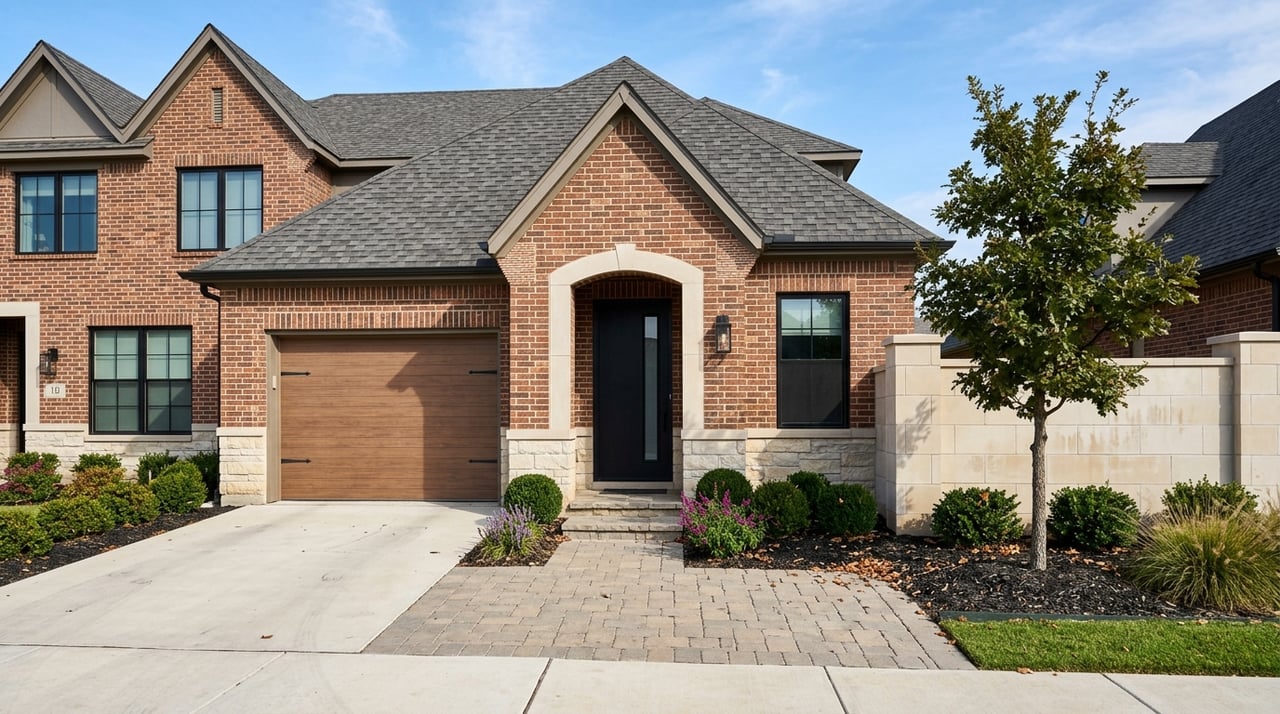
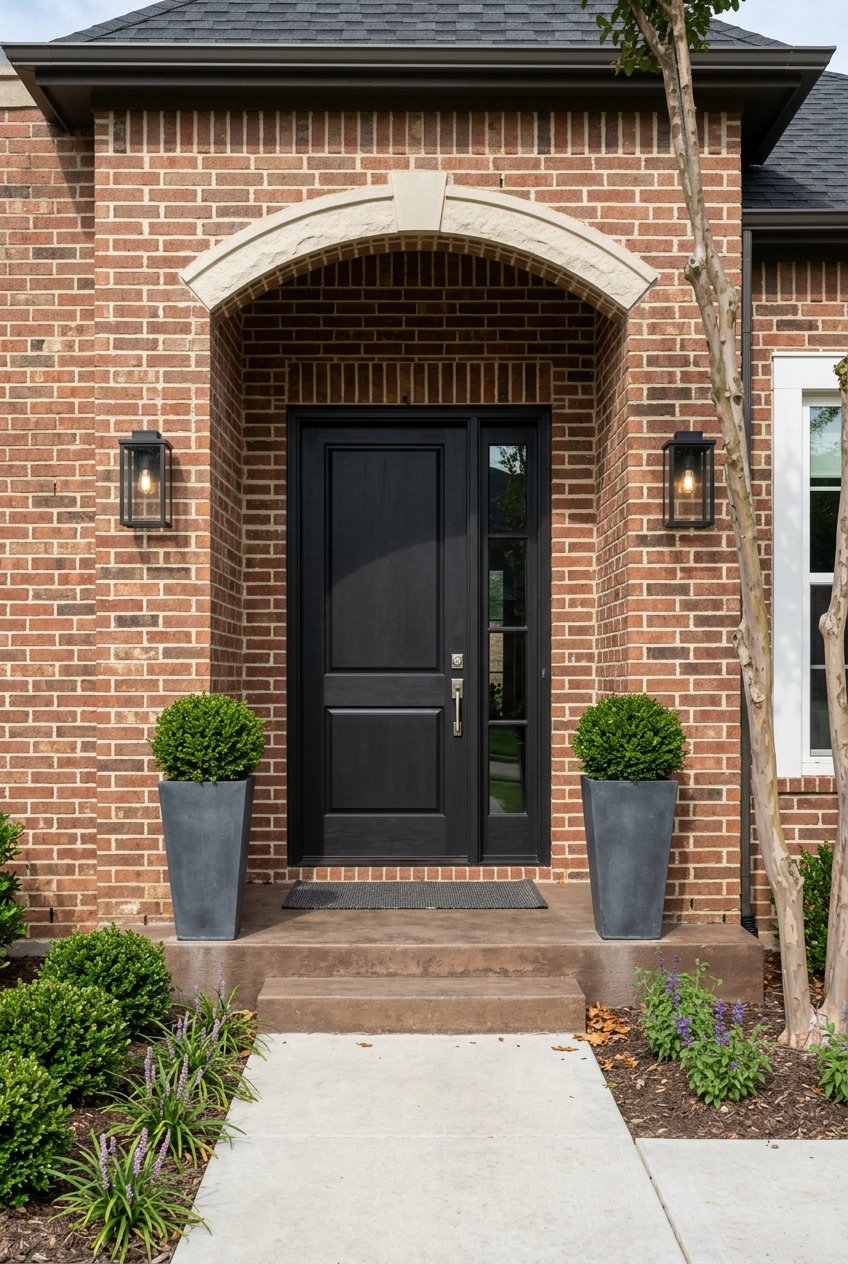
Cosmetic refreshes are often the most straightforward starting point. Think paint, flooring, lighting, hardware, landscaping touch-ups, and basic curb appeal improvements.
These projects can help a home show better without changing the footprint or triggering the same level of complexity as major structural work. In a market where pricing is sensitive, cosmetic improvements often make the most sense when they help the property compete within the local median price band instead of trying to leap beyond it.
Functional improvements can matter more than luxury finishes
Anna’s demographic profile also points toward practical livability. The Census reports that 28.8% of residents are under 18, and the city averages 3.14 persons per household, which suggests many buyers may value everyday usability.
That can make functional upgrades especially compelling, such as:
- improving kitchen flow
- adding storage
- making the laundry area more efficient
- reworking space to support bedroom flexibility
- reducing awkward layout issues that affect daily living
In many cases, these changes create more value than expensive finishes that look impressive but do not solve a real problem.
Systems updates can support buyer confidence
Not every valuable improvement is visible in listing photos. Roofing, HVAC, plumbing, electrical, insulation, windows, and drainage improvements can support a stronger resale story because they address core condition concerns.
That said, these projects often come with more permitting and inspection complexity. In a market with longer selling times, system upgrades usually work best when paired with a clear explanation of why the home is a better buy, not just a more expensive one.
Outdoor projects should match the neighborhood
Outdoor-use improvements can also make sense in Anna when they stay aligned with neighborhood expectations. Covered patios, decks, fencing, and simple backyard cleanup can improve livability and presentation.
The key is not to overbuild. Useful, well-executed outdoor spaces can help, but you still want the finished home to feel competitive with surrounding properties rather than disconnected from them.
Ask three questions before you buy
If you are trying to identify a real value-add opportunity in Anna, a few simple questions can help you avoid expensive mistakes.
Does the project solve a real livability issue?
The strongest projects usually fix something a typical owner-occupant will notice and appreciate. That might be poor flow, outdated finishes, limited storage, worn systems, or neglected exterior presentation.
In a heavily owner-occupied market, improvements that make daily life easier tend to be safer than upgrades built around narrow taste. A home that feels more functional and move-in ready will often appeal to a wider pool of buyers.
Will the finished home still fit the resale band?
This is where discipline matters most. Anna’s market data and ongoing construction pipeline suggest you should be cautious about assuming a large premium.
If your renovation budget pushes the home well beyond nearby comparable sales or too close to competing new construction, your margin can shrink fast. The finished product should feel like one of the better options in its category, not an outlier that buyers struggle to price.
Can you manage the permit and timeline risk?
A project may look attractive on paper, but delays and permit issues can change the math quickly. With a reported median of 91 days on market, extra holding time can materially affect financing costs, taxes, insurance, and utilities.
That is why scope management matters. Simpler, high-impact renovations are often easier to control than larger additions or highly customized reworks.
Understand Anna permit rules early
One of the easiest ways to lose time and money is to underestimate local permitting. Anna uses the 2021 International Building Codes and 2020 National Electric Code, effective February 1, 2024, and the fire department enforces the 2015 International Fire Code as amended by NCTCOG and local ordinances.
The city’s residential permit applications and guidance cover a wide range of project types, including additions and alterations, decks and patio covers, roofing, fencing, pools and spas, backup power, and miscellaneous permits. For many renovations, you should confirm the permit category before work begins.
Anna also notes that separate permits are typically required for electrical, plumbing, and HVAC work. Its electronic plan review instructions also state that outdoor kitchens, swimming pools, patio covers or arbors not included in the main plans, fire suppression systems, and water treatment systems require separate permits.
If the property is outside Anna city limits but within the extraterritorial jurisdiction, permits go through Collin County Development Services instead of the city. That detail can matter on fringe-area properties where buyers assume the process will be the same.
Plan for the practical logistics
Renovation success is not only about finishes and floor plans. It is also about managing day-to-day logistics that can affect your schedule.
According to the city’s building department, construction hours are 7 a.m. to 7 p.m., no work is allowed on Sundays, roll-off dumpsters must come from CARDS Dallas, and construction materials cannot be left on the street. Those details may sound minor, but they can affect contractor coordination and timeline planning.
If your plan is to hold the property as a rental, that changes the checklist too. Anna requires annual rental registration, and single-family rental homes are $300 per property per year.
What a strong Anna value-add deal looks like
In most cases, the strongest Anna opportunities are detached homes with modest but high-impact updates. They are properties where you can improve presentation, usability, and buyer confidence without overspending on features the market may not fully reward.
That could mean a dated house with solid bones, a home with awkward but fixable function, or a property that needs system work plus a clean cosmetic refresh. What it usually does not mean is a heavily customized, luxury-leaning renovation that depends on perfect timing and aggressive pricing.
If you want to approach Anna thoughtfully, the smartest play is often to stay practical. Let the local data guide the renovation plan, respect the competition from newer construction, and keep the exit strategy realistic from day one.
When you want a calm, design-aware perspective on whether a property’s upside is real or just theoretical, working with an experienced local advisor can make the numbers clearer. If you are considering a purchase, sale, or value-add strategy in North Texas, connect with Brian Abadie for a tailored conversation.
FAQs
What types of value-add projects make the most sense in Anna homes?
- In Anna, cosmetic refreshes, practical layout improvements, system updates, and neighborhood-appropriate outdoor upgrades are generally the most plausible value-add projects.
How does the Anna housing market affect renovation resale potential?
- Anna’s February 2026 market data showed a median sale price of $332,990, 91 median days on market, a 98.1% sale-to-list ratio, and 41.2% of homes with price drops, which suggests careful pricing and comp-based underwriting are important.
Do Anna home renovation projects usually require permits?
- Many Anna renovation projects do require permits, especially for additions, alterations, roofing, fencing, patio covers, pools, and separate electrical, plumbing, or HVAC work.
What should buyers check before buying a value-add home in Anna?
- You should evaluate whether the project solves a real livability issue, whether the finished home will still fit local comparable pricing, and whether the permit and timeline risk are manageable.
Does Anna require registration for single-family rental homes?
- Yes. Anna requires annual rental registration, and the city lists the fee for single-family rental homes at $300 per property per year.